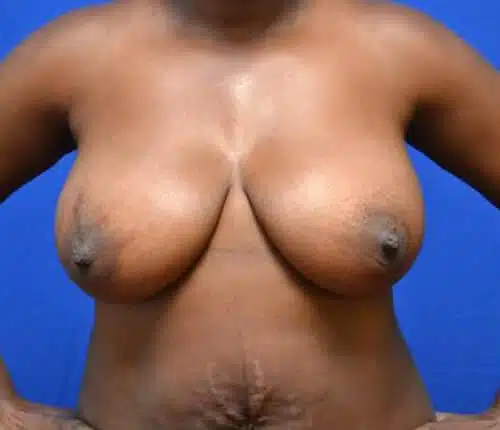
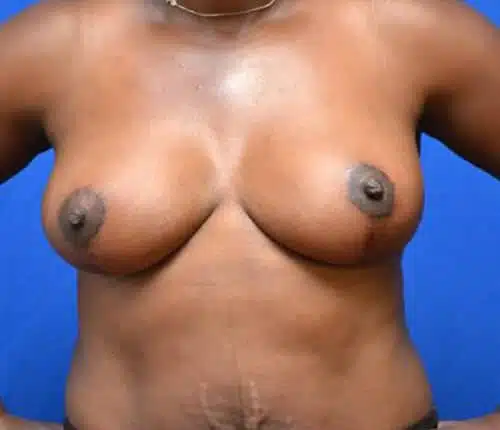
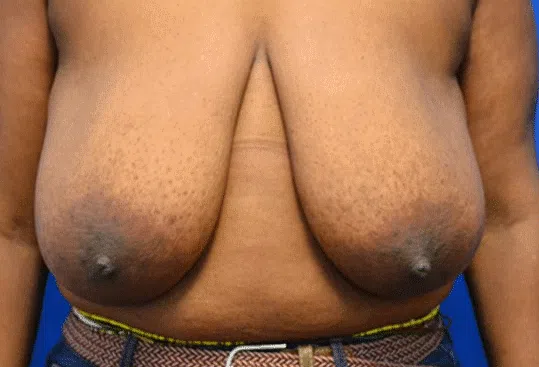
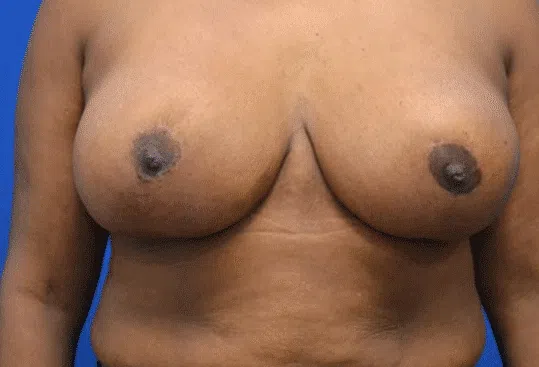
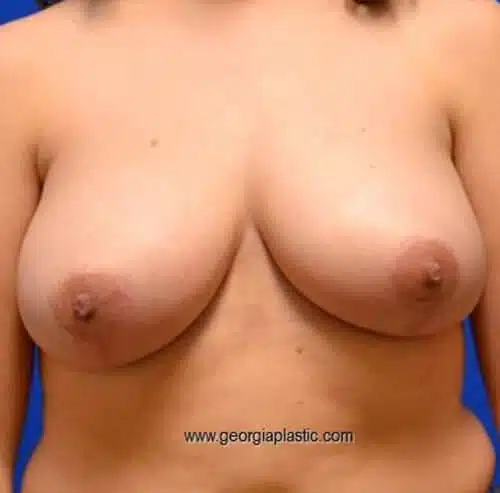
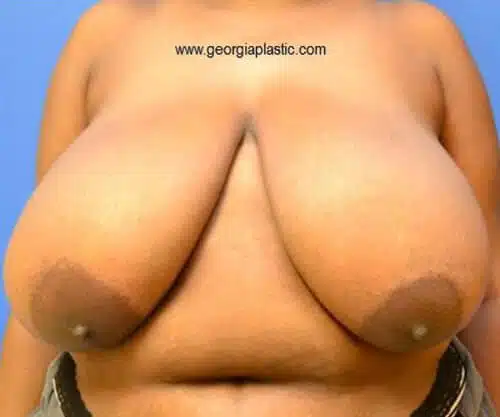
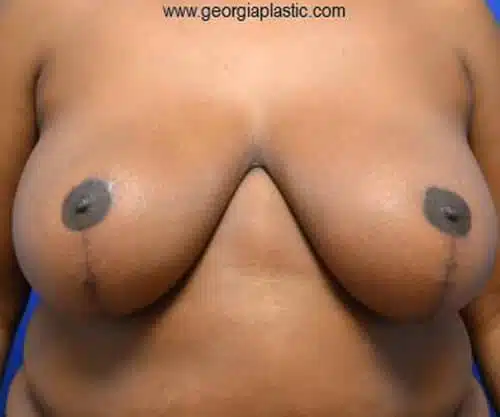
Use before-and-after photos as an educational tool
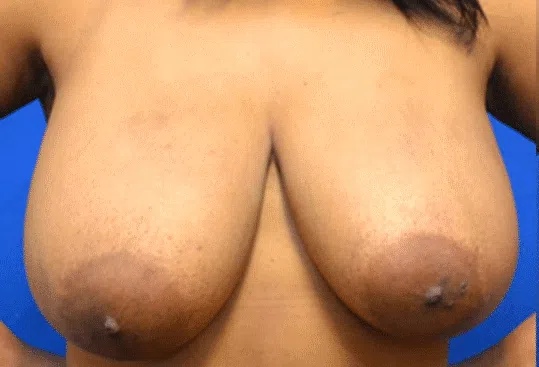
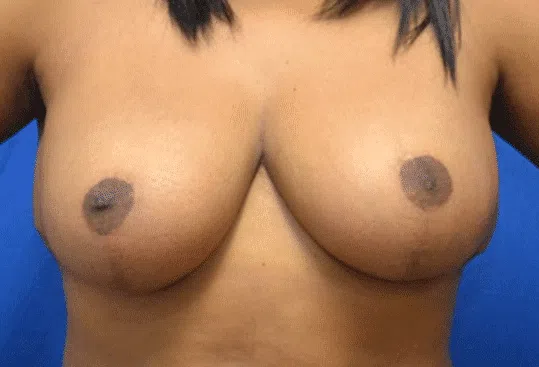
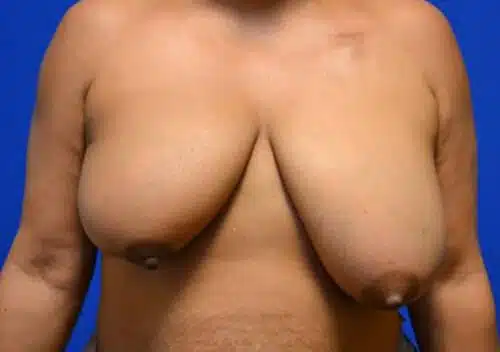
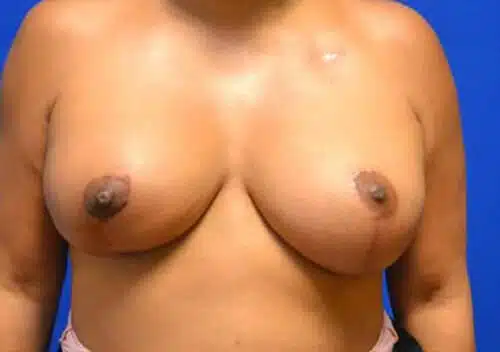
A useful breast reduction gallery does more than show attractive outcomes. It helps patients understand the range of anatomy treated, how incision patterns heal, how breast position changes and what degree of reduction may be realistic for a similar body frame. Results should be viewed as examples—not promises.
Look for patients with anatomy similar to yours
When reviewing photos, compare starting breast volume, degree of droop, nipple position, chest width, asymmetry and body proportions. A result from a patient with much smaller breasts or different skin quality may not predict what is achievable in another patient. Case details are therefore more valuable than isolated images.
Timing matters
Early postoperative photographs can look high, tight or swollen. More mature photographs show how the breast settles and how scars evolve. When possible, this gallery should state the follow-up interval so viewers know whether they are seeing a six-week result or a one-year result.
Scars are part of the result
Breast reduction scars are permanent and should not be cropped out or hidden. Showing realistic scar placement helps patients make an informed tradeoff between smaller breasts and incision lines. Scar color, thickness and maturation vary between individuals.
How this gallery should grow
Each featured case should ultimately link to an individual case-study page describing the patient’s concerns, surgical approach, incision pattern and follow-up interval. That creates first-party educational content while preserving patient privacy and avoiding claims that one result is typical for everyone.
Will my results look like a patient in the gallery?
Not exactly. Anatomy, healing, skin quality, breast size and surgical goals differ. Gallery images are examples of prior outcomes, not guarantees.
Why do some patients have anchor scars and others lollipop scars?
Incision pattern depends on the amount of skin and tissue that must be removed, breast shape and the surgeon’s technique.
How long after surgery should photos be taken?
Different time points can be useful. Early photos show initial change; later photos better demonstrate settling, scar maturation and long-term shape.
Can I request to see results similar to my breast size?
Yes. During consultation, ask to review cases with comparable starting anatomy and surgical goals when available.
Are before-and-after photos edited?
Clinical photographs should represent the patient accurately. Basic cropping, lighting normalization and de-identification may be appropriate, but body shape should not be digitally altered.
Take the next step
Talk with a board-certified surgeon about breast reduction.
If you are considering breast reduction in Metro Atlanta, schedule a private consultation to review your anatomy, goals, health history, technique options, expected scars, recovery and individualized next steps.